Practical writing on web development, system design, AI tooling, and the craft of shipping software.
 intermediate
Defined by a deceptively simple iteration in the complex plane, the Mandelbrot set reveals infinite detail at every level of zoom — a fractal icon of mathematical beauty.
 intermediate
The Julia set is the Mandelbrot's sibling — same iteration, but the constant C sweeps over time. Watch the fractal morph through an infinite family of shapes.
 intermediate
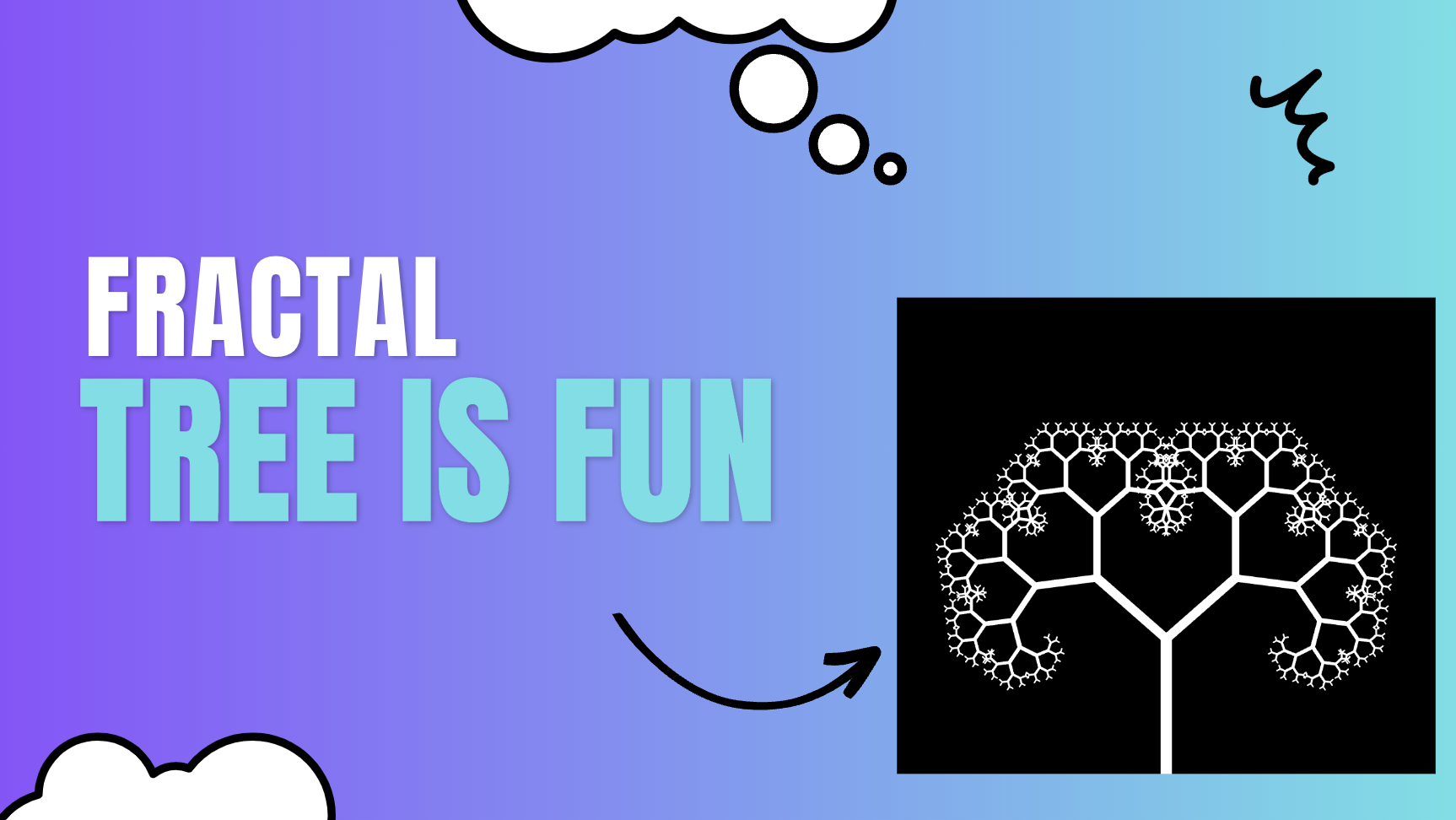
Each branch splits into two smaller ones at an angle. Change the angle and the tree transforms from a bare winter silhouette to a lush summer canopy.
 intermediate
What if you smoothly increased the multiplication factor on the cardioid from 2 to 200? Watch the circle's string art morph through every known times table curve.
 intermediate
The same circle trick as the cardioid, but multiply by 3 instead of 2. The resulting curve — a kidney-shaped nephroid — appears in reflected light inside a coffee cup.
 intermediate
Multiply each point on a circle by 2 and connect them with lines. At enough resolution the curve that emerges is a perfect heart shape — a cardioid.
 intermediate
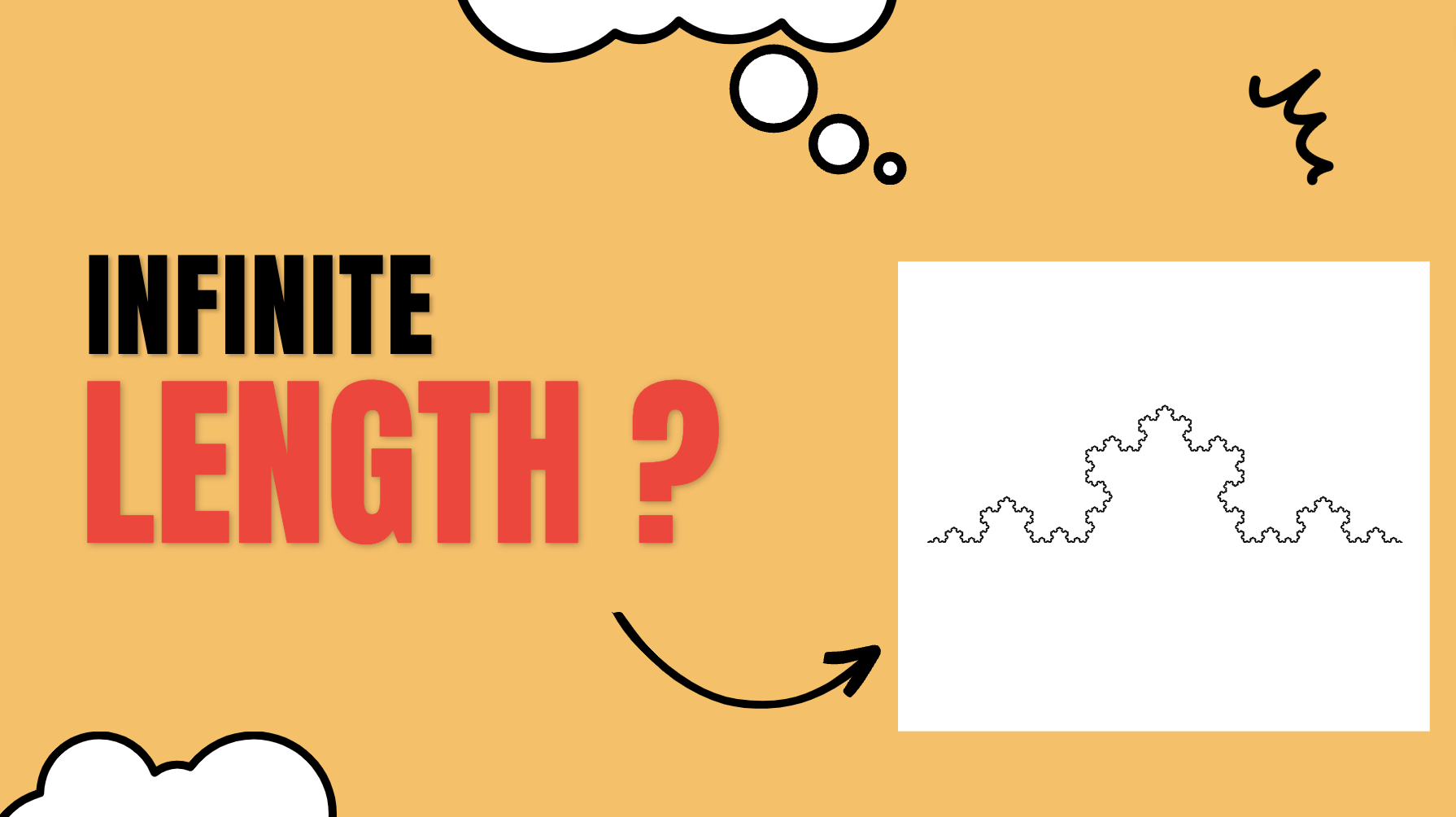
Apply the Koch curve to all three sides of an equilateral triangle and you get a snowflake. Infinite perimeter, finite area, endlessly satisfying.
 intermediate
Replace every line segment with four smaller ones. Repeat. The Koch curve has infinite perimeter but encloses a finite area — one of the earliest known fractals.
 intermediate
Visualise the Sierpiński triangle through recursive geometry. A simple rule — divide, remove the centre — repeated until you can't see the individual pieces anymore.
 intermediate
Divide a square into nine parts, remove the centre, and repeat on the eight remaining squares. The Sierpiński carpet has zero area but a well-defined fractal structure.
 intermediate
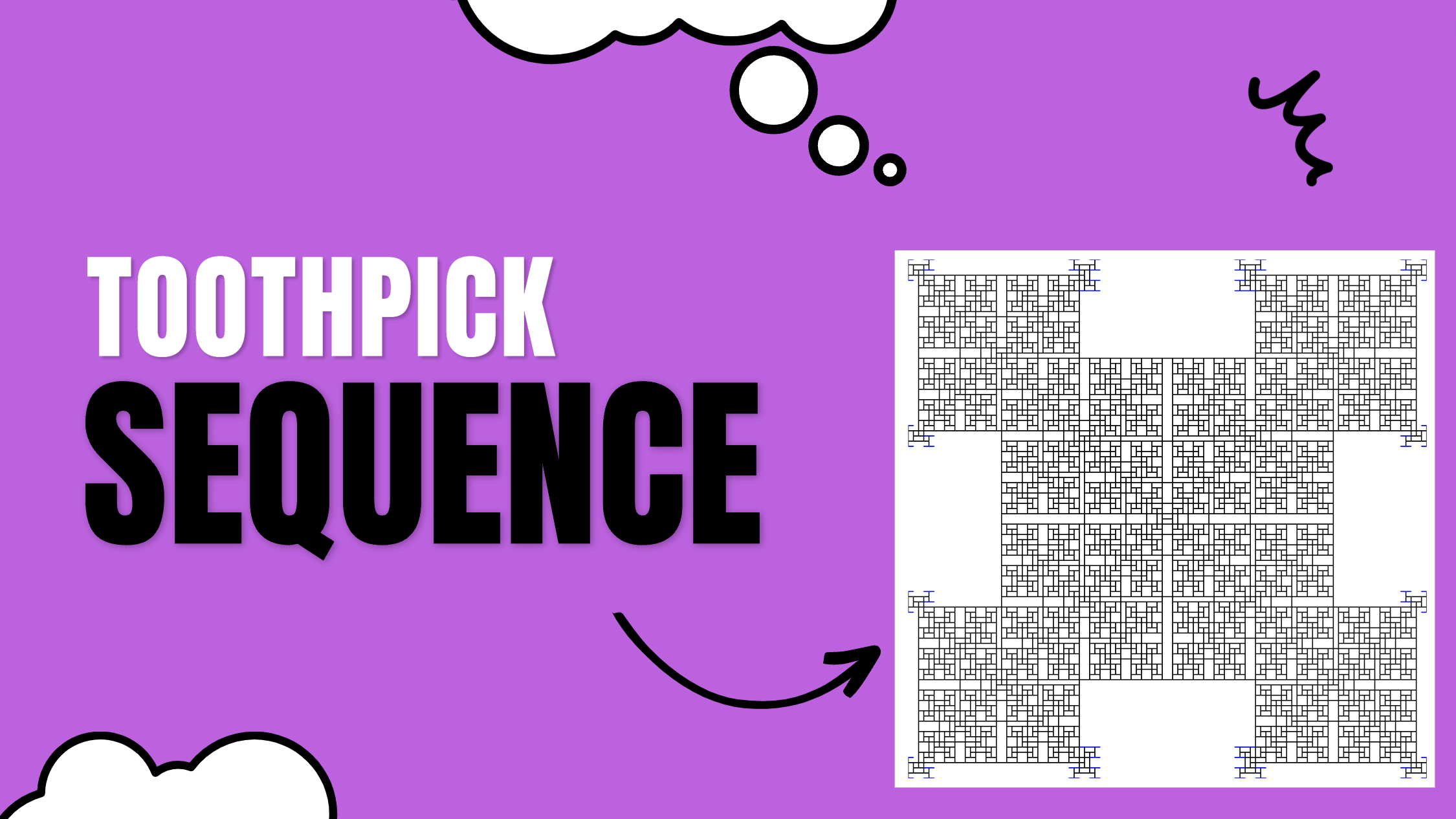
Start with a single toothpick. Add new ones at every exposed endpoint. What emerges is a fractal structure that doubles in complexity each generation.
 intermediate
A single random decision — slash or backslash — repeated across a grid produces an endlessly varied maze. Originally a one-line Commodore 64 BASIC program.
